

test
Ocean Gear Test Collection
Welcome to the test collection at SALT Of The Sea. This page serves as a dedicated space for exploring our latest innovations in high-performance aquatic equipment. Whether we are refining the fit of our newest Wetsuits or testing the hydrodynamic efficiency of our upcoming Diving Gear, this collection represents our commitment to quality and functional design. Built for the rugged Australian coastline, every piece of gear we develop undergoes rigorous real-world testing to ensure it meets the high standards of local surfers, divers, and spearfishers who rely on SALT Of The Sea for their ocean adventures.
What is this page best for?
This page is designed for customers interested in the technical development and versatility of SALT Of The Sea equipment. It is best suited for those who want to understand how our gear performs across multiple disciplines, including surfing, freediving, and spearfishing. By viewing our test range, you can see how we balance specialised features—like the streamlined cuts required for Spearfishing Wetsuits—with the durable materials needed for everyday coastal use. It is a practical resource for anyone looking to gear up the whole family, with links to our dedicated Men’s Wetsuits, Women’s Wetsuits, and Kids Wetsuits collections.
Choosing the right thickness
Selecting the appropriate neoprene thickness is the most important factor for staying comfortable in Australian waters. At SALT Of The Sea, we recommend choosing based on your primary activity and local water temperature:
- 1.5mm: Best for tropical reefs, summer surf sessions, and protection against wind chill and UV rays without overheating.
- 3/2mm: The versatile Australian standard for autumn and spring, providing excellent flexibility for surfing and enough warmth for moderate dive sessions.
- 4/3mm & 5/4mm: Engineered for winter conditions and southern coastlines where thermal retention is critical for safety and performance during extended time in the water.
Warmth, stretch and durability
Our design philosophy focuses on the three pillars of premium ocean gear: warmth, stretch, and durability. We use high-grade limestone neoprene that offers superior stretch for paddling and diving, paired with advanced seam technology to keep water out. Our Element series features GBS (Glued and Blind Stitched) seams for maximum thermal efficiency in cold water, while our Abyss series focuses on lightweight flatlock stitching for high-mobility activities. Every product is reinforced in high-stress areas to withstand salt, sand, and sun, ensuring your investment lasts through many seasons of use.
FAQs
How do I know if my wetsuit fits correctly?
A properly fitting wetsuit should feel snug like a second skin, with no large pockets of air or sagging material under the arms or at the lower back. It should be tight enough to limit water flow but not so restrictive that it hinders your breathing or range of movement. Remember that neoprene often softens slightly once it gets wet.
Can I use the same wetsuit for both surfing and diving?
While many of our suits are versatile enough for multi-sport use, dedicated diving or spearfishing suits often feature high-waist cuts or two-piece designs for better pressure management at depth. Surfing-specific suits are typically designed with maximum shoulder flexibility for paddling. For the best experience, choose the suit that aligns with your most frequent activity.
How should I wash and store my SALT Of The Sea gear?
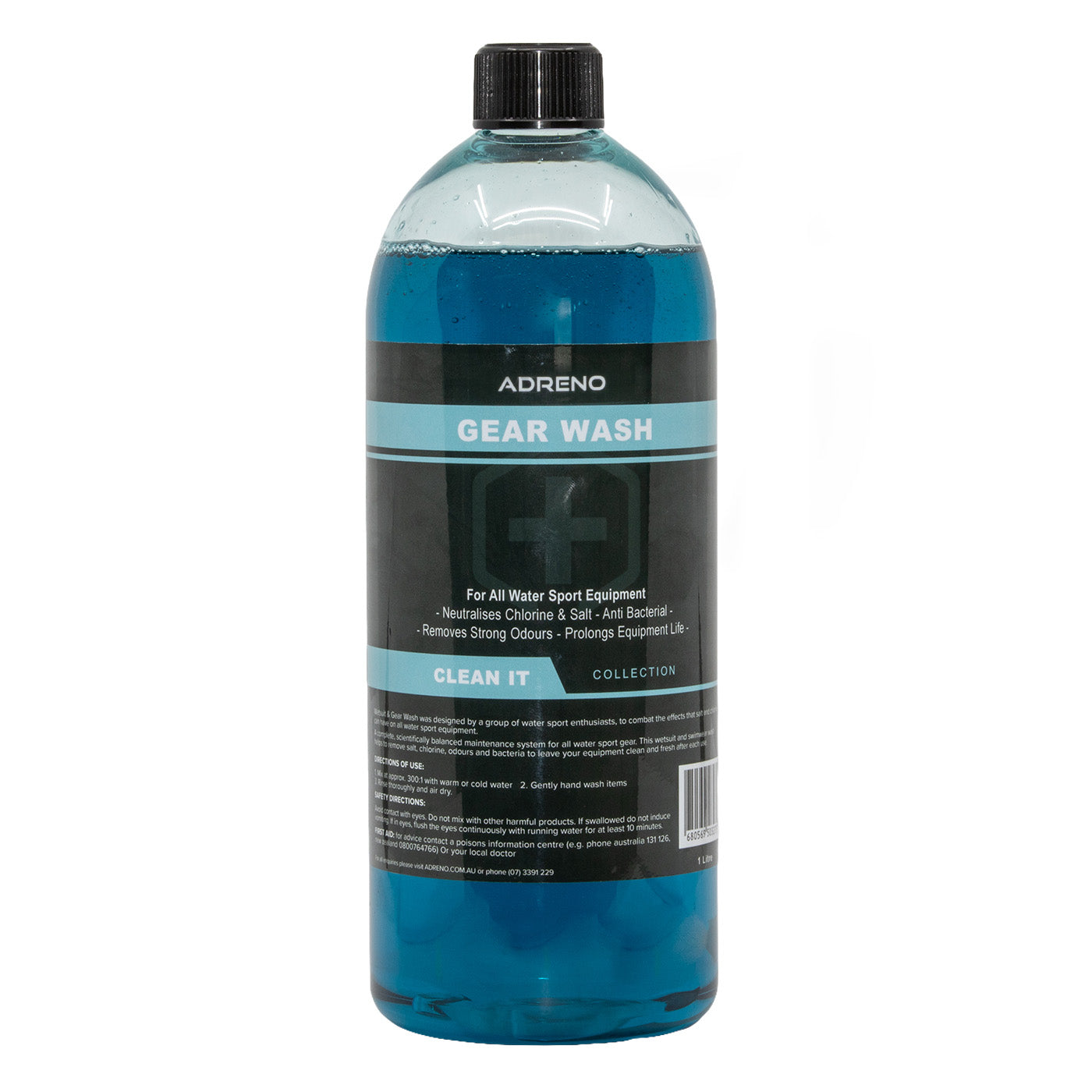
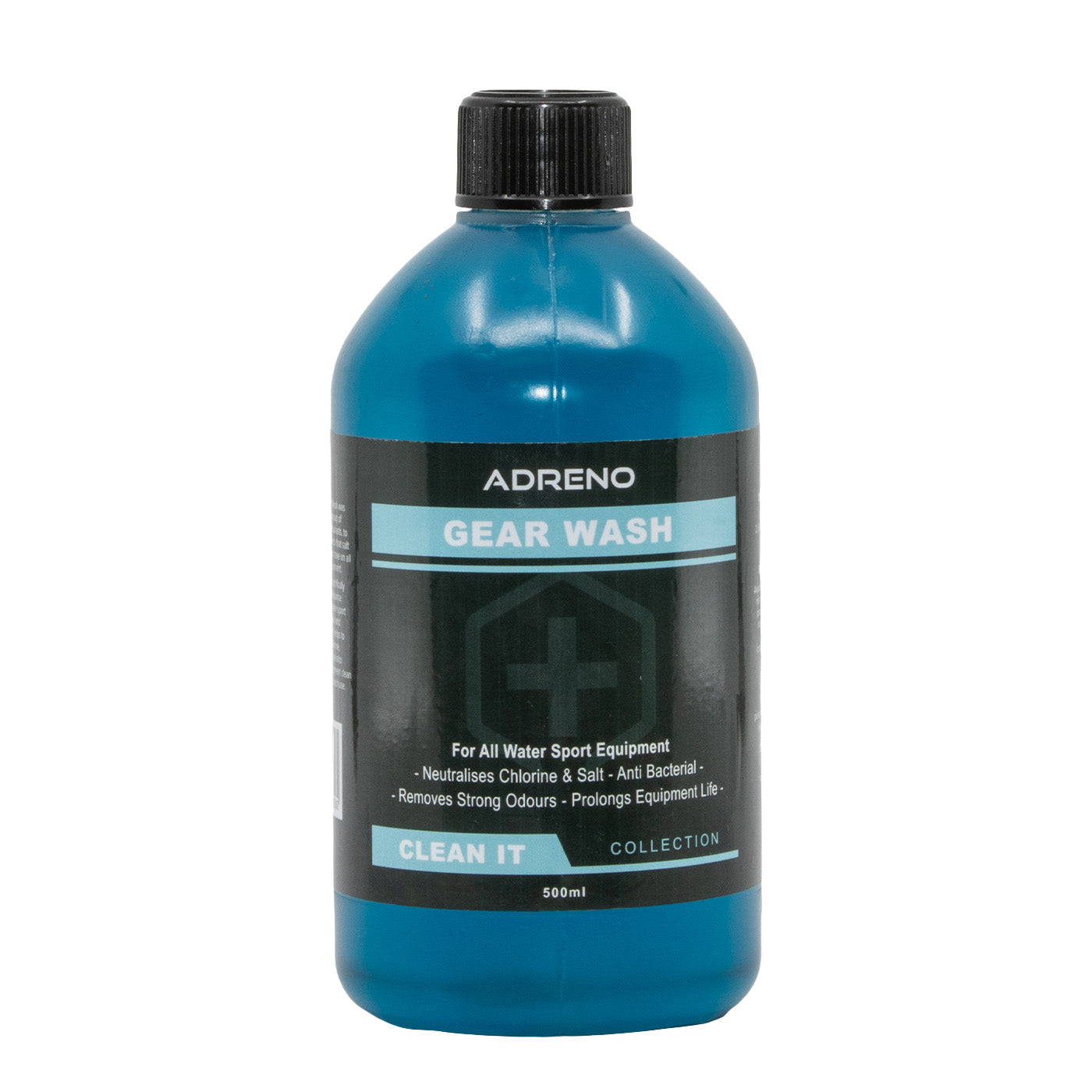
After every session, rinse your gear thoroughly in cool fresh water to remove salt, sand, and chlorine. Hang your wetsuits doubled over at the waist on a wide-shouldered hanger to prevent stretching the shoulders. Always dry your gear in the shade, as direct sunlight can cause the neoprene to become brittle over time.
What thickness do I need for winter in Victoria or NSW?
For winter in southern New South Wales or Victoria, we generally recommend a 4/3mm or 5/4mm wetsuit. The added thickness and sealed seams are essential for maintaining core body temperature when water temperatures drop below 16 degrees Celsius, allowing you to stay in the water longer and stay safe.