

-
SALT Element Womens High Waist Pant - 3/2mm -
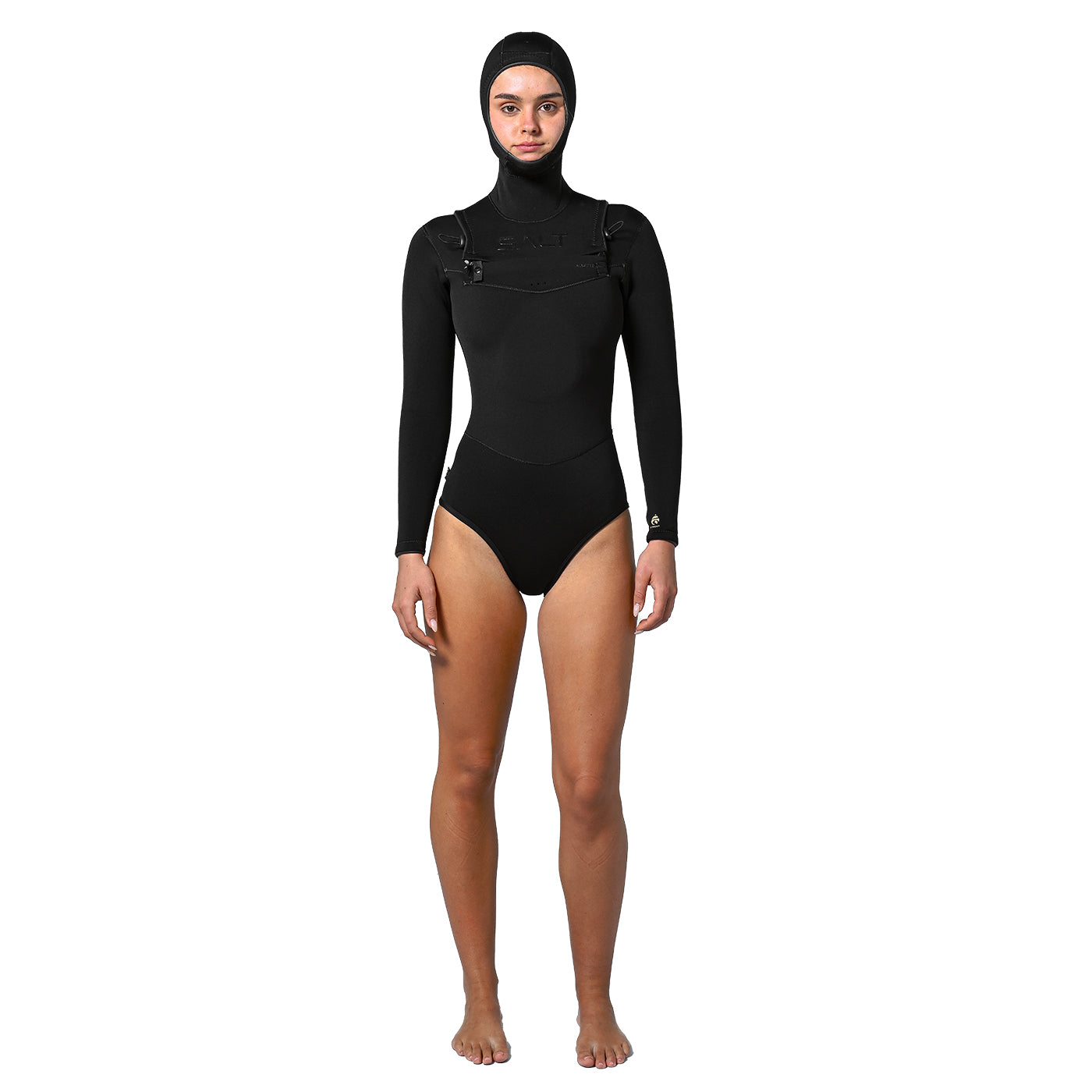
SALT Element Womens Hooded Bikini Spring Suit - 3/2mm -
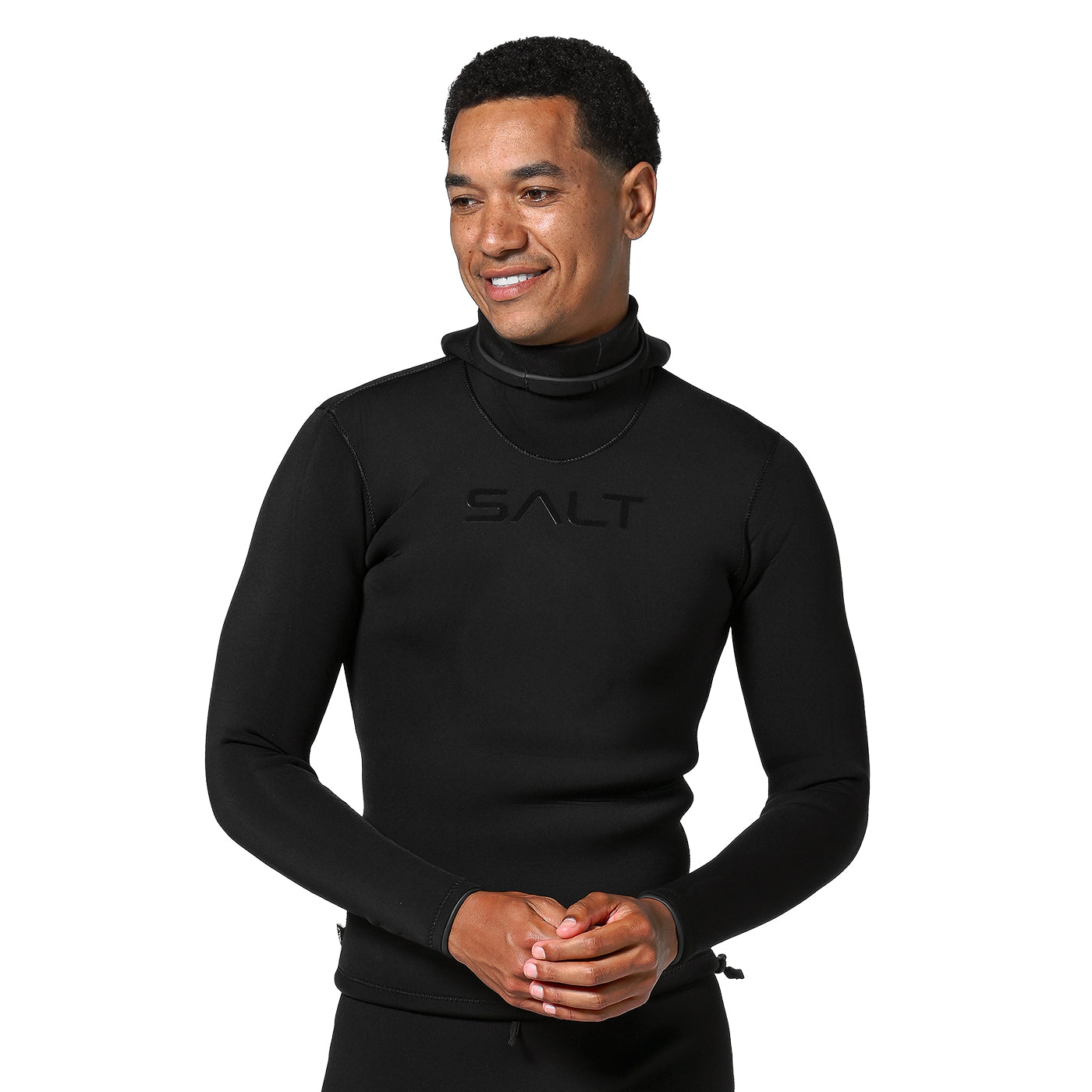
SALT Element Mens L/S Hooded Top - 3/2mm -
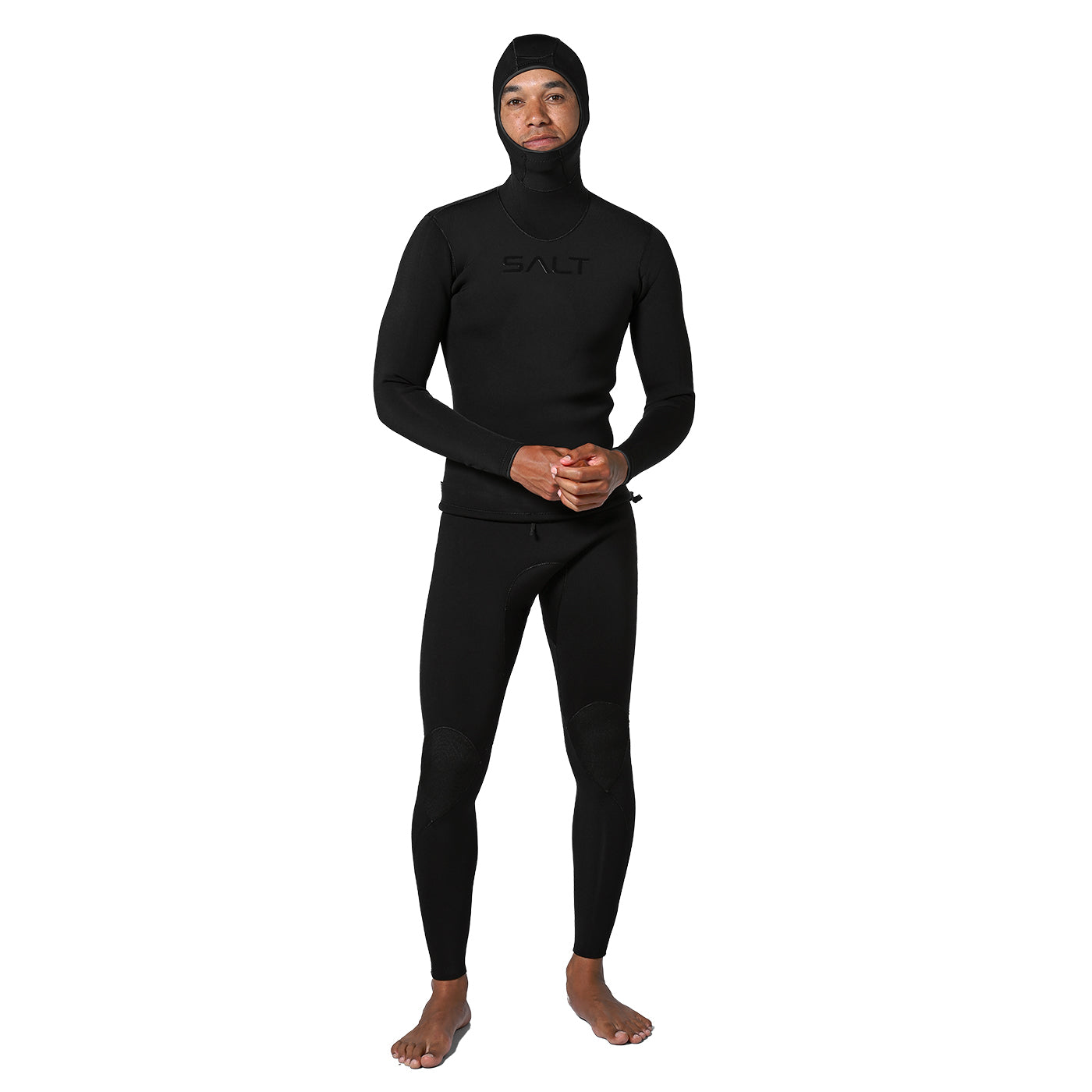
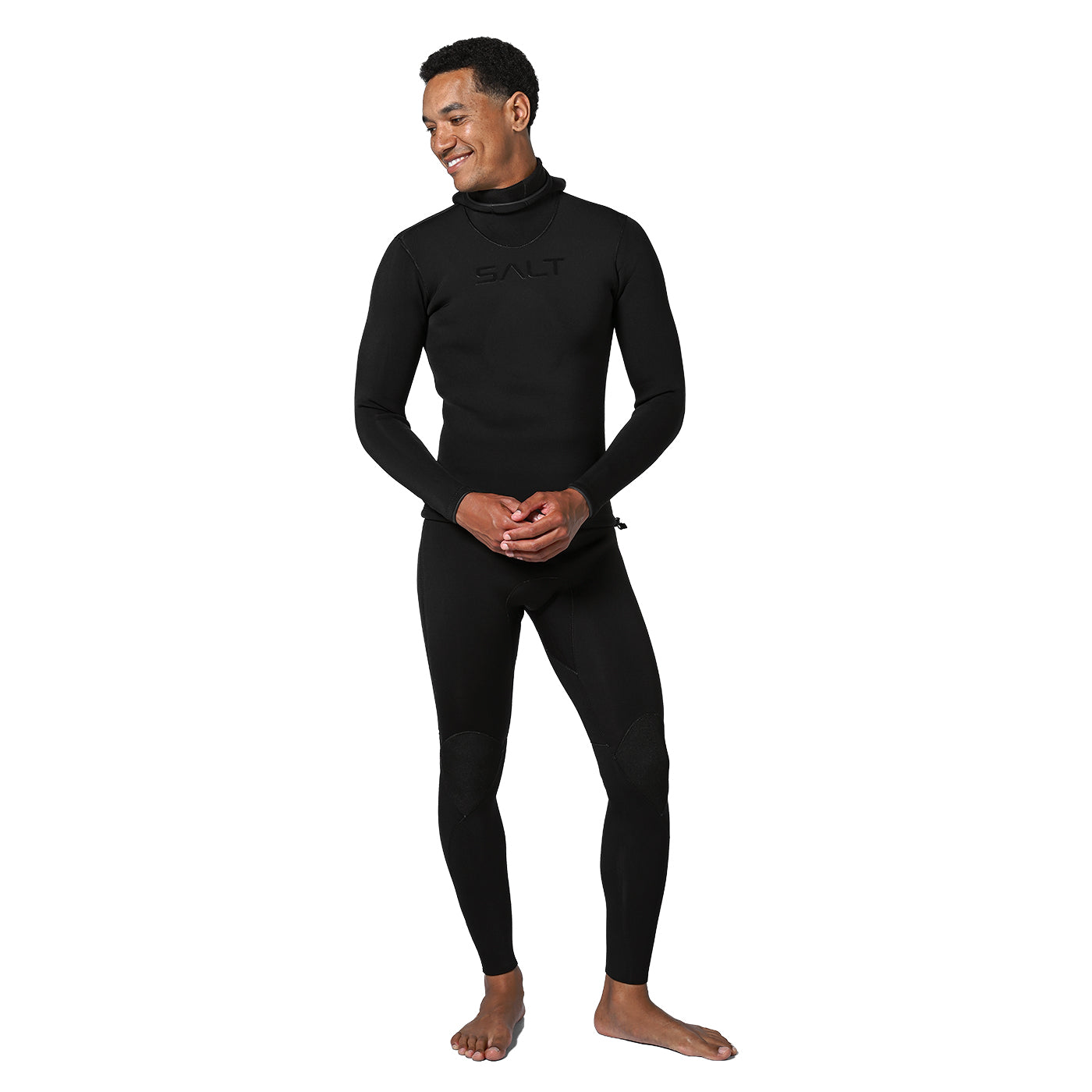
SALT Element Mens High-Waist Pant - 3/2mm -
SALT Element Womens Chest Zip Steamer - 3/2mm -
SALT Element Womens Jacket Wetsuit - 3/2mm -
SALT Element Mens Jacket Wetsuit - 3/2mm -
SALT Element Mens Chest Zip Steamer - 3/2mm


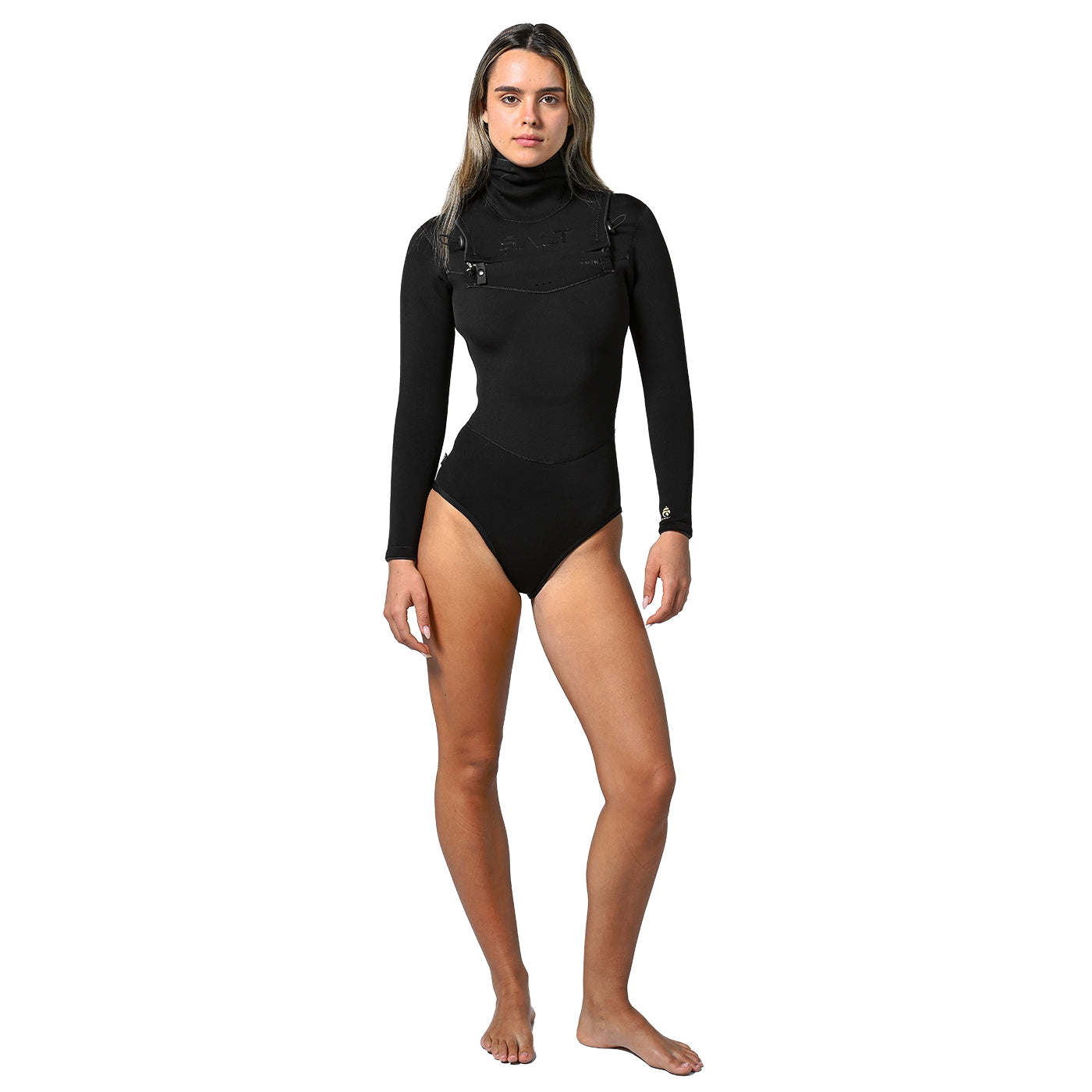
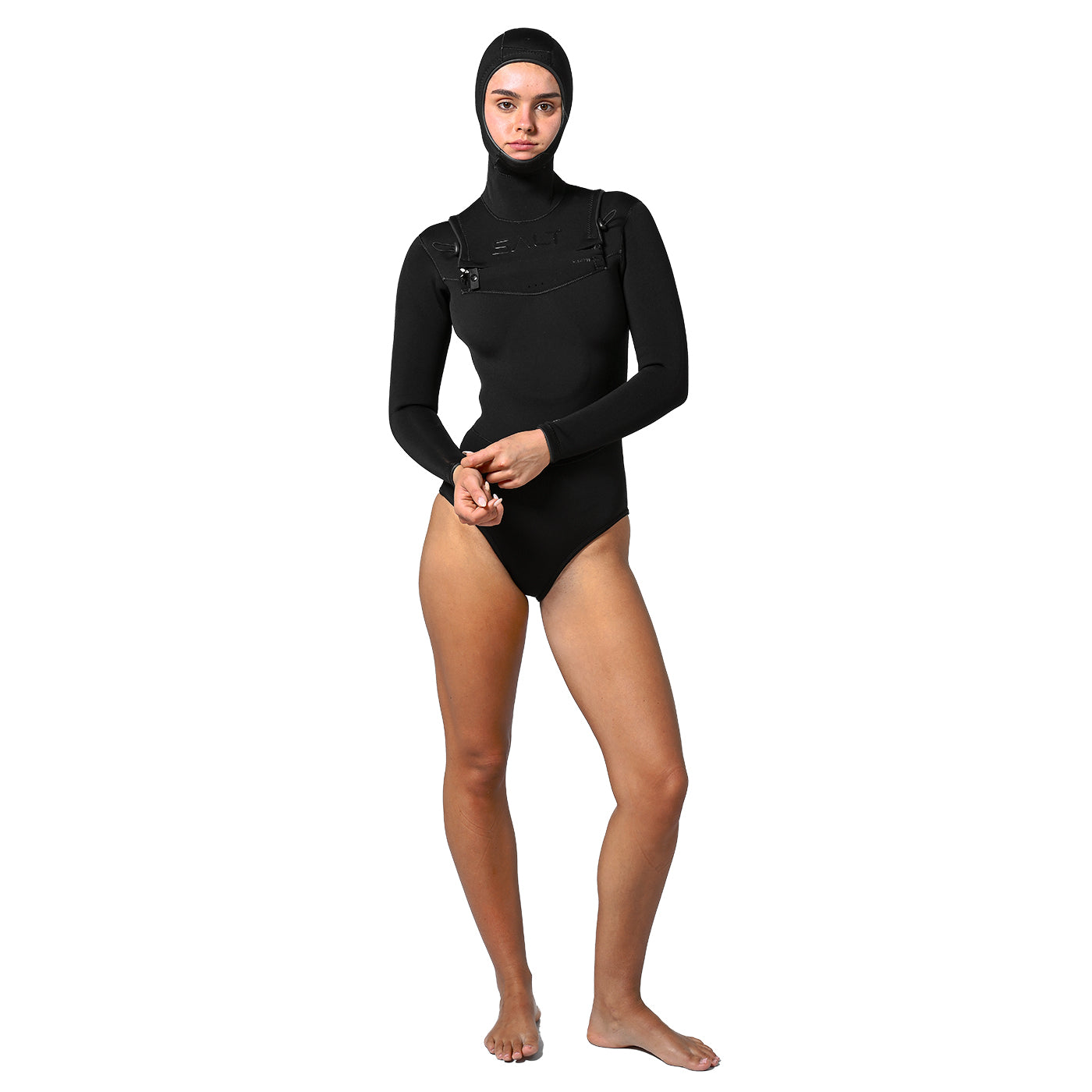
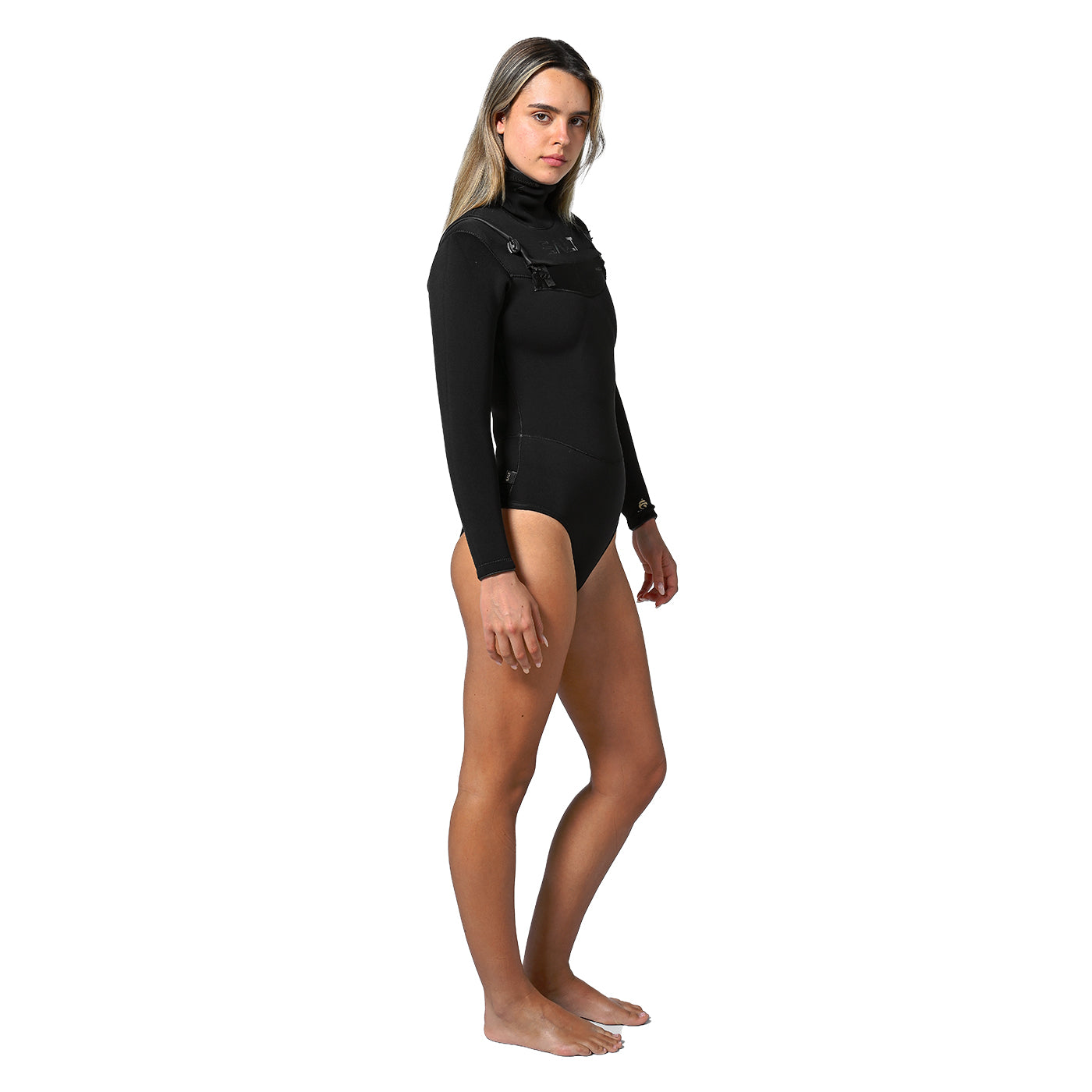
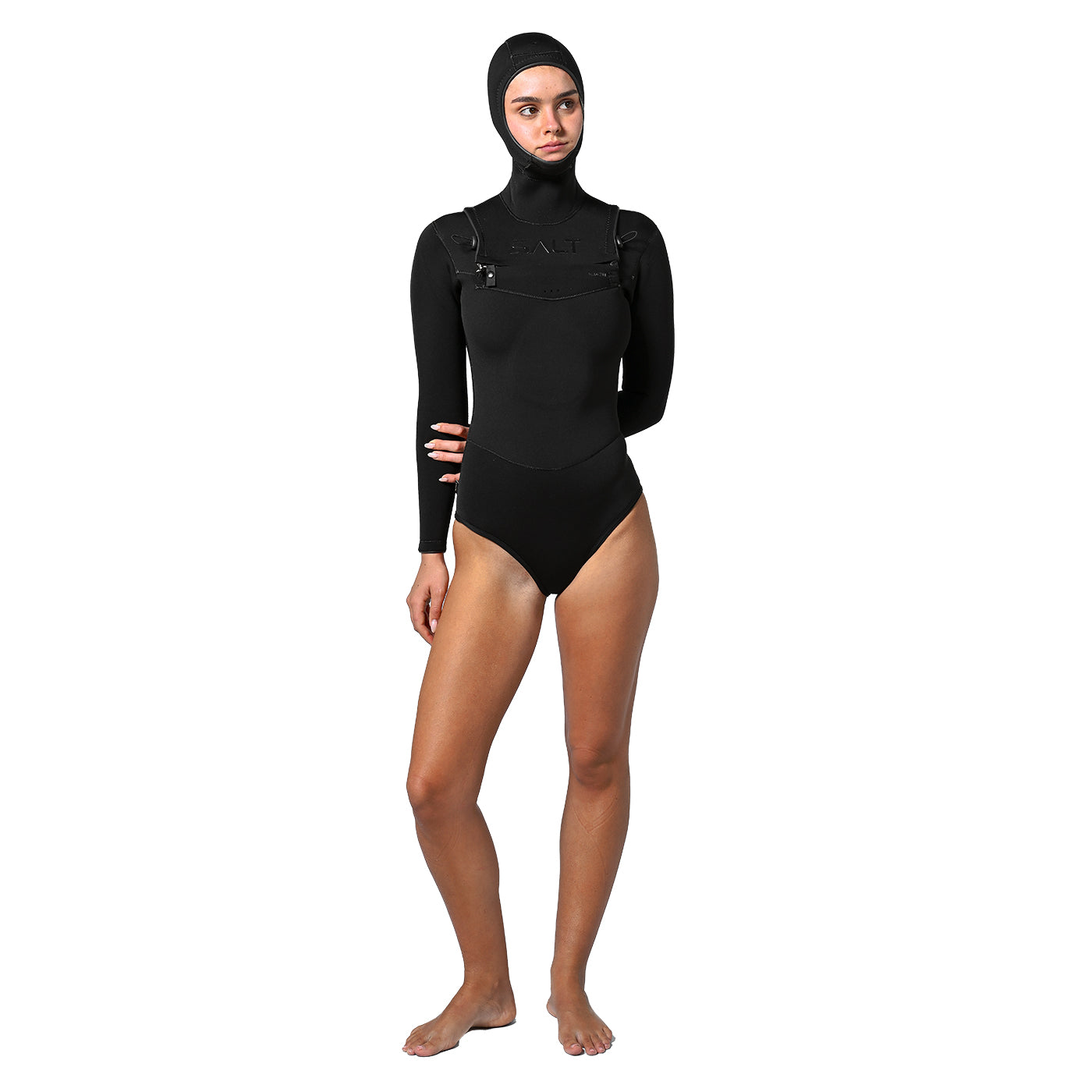
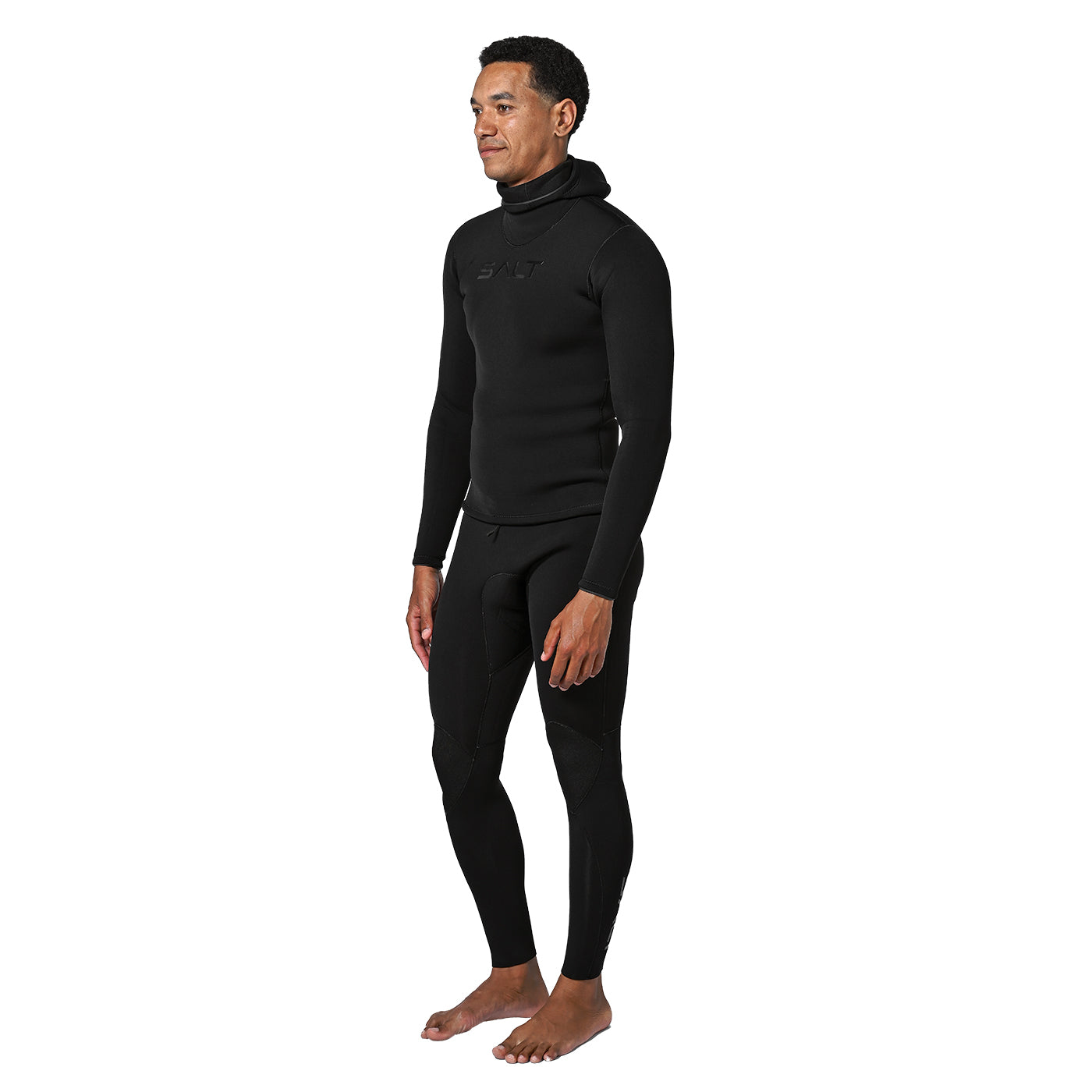
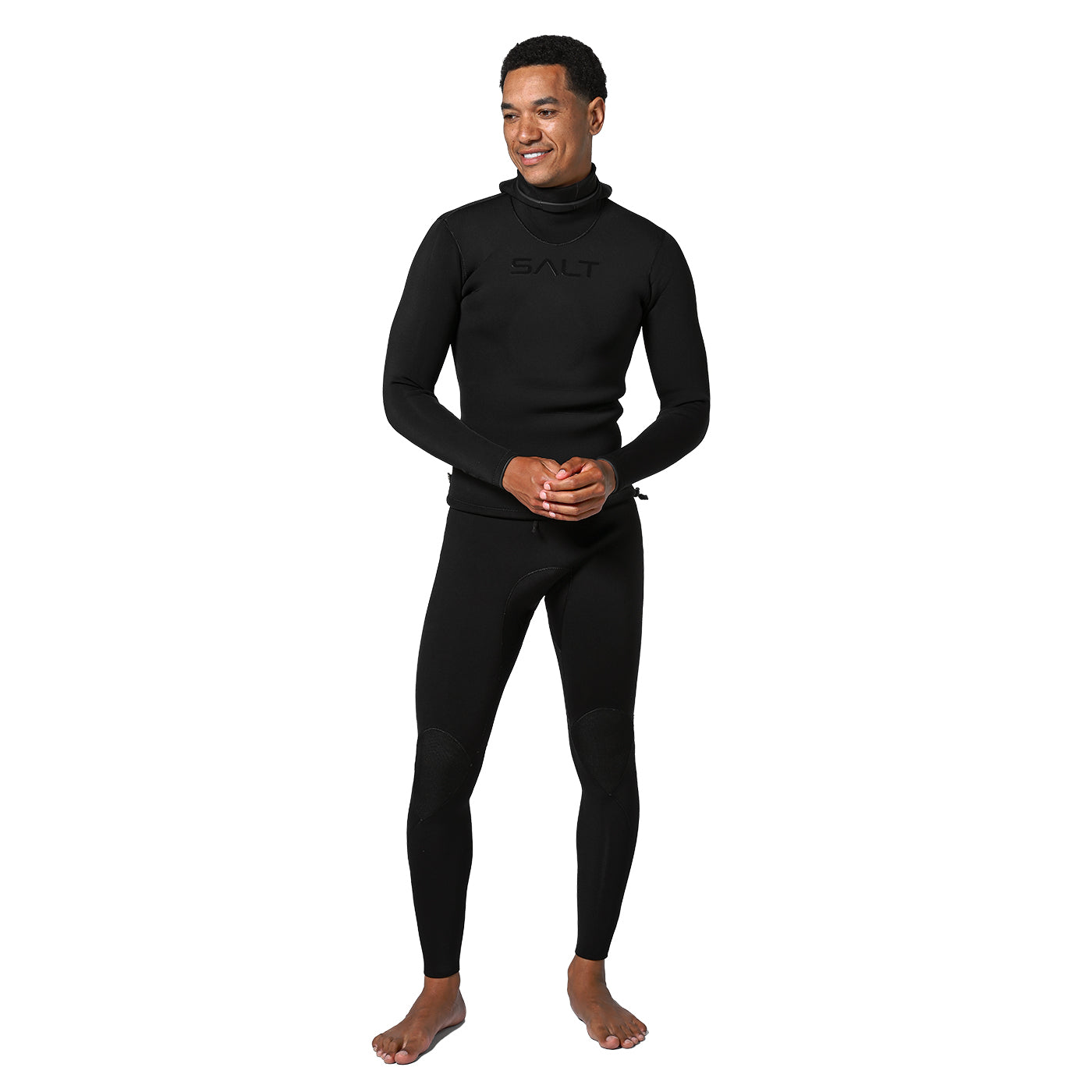


3/2mm Wetsuits
3/2mm Wetsuits
For many Australian coastal regions, 3/2mm wetsuits are the most versatile pieces of equipment in any waterman’s kit. Designed for mild to cool water temperatures, these suits provide the ideal balance between thermal insulation and high-performance flexibility. Whether you are navigating the transition between seasons in autumn and spring or enjoying a temperate winter swell, a 3/2mm suit offers enough warmth to stay in the water longer without the bulk or restriction of heavier winter neoprene. At SALT Of The Sea, our collection is engineered to support active movement across surfing, spearfishing, and freediving.
What is this page best for?
This collection is the go-to destination for finding a high-quality, all-rounder wetsuit. If you find that a lightweight spring suit isn't quite warm enough, but a 4/3mm or 5/4mm suit feels too restrictive or leads to overheating, the 3/2mm range is your solution. It is best suited for surfers who need paddle power, spearfishers requiring streamlined movement, and freedivers who value a responsive feel. Within this range, you will find options for Men’s Wetsuits, Women’s Wetsuits, and Kids Wetsuits, ensuring every member of the family is protected from the elements.
Choosing the right thickness
Selecting a 3/2mm thickness means the suit typically features 3mm neoprene in the torso area for core warmth and 2mm neoprene in the limbs to maximize mobility. While thicker Wetsuits are necessary for the deep winters of the southern states, the 3/2mm is often the year-round choice for parts of the East Coast. When choosing your suit, consider your activity level; highly active surfers might stay warm in a 3/2mm in cooler water than a diver who remains relatively still. If your mission involves deeper exploration, ensure you pair your suit with appropriate Diving Gear for safety and comfort.
Warmth, stretch and durability
At SALT Of The Sea, we prioritise functional design that lasts. Our 3/2mm suits often feature GBS (glued and blind-stitched) seam construction, a technical detail that significantly reduces water flush while maintaining the suit's natural stretch. We use premium, salt-resistant neoprene that stands up to the harsh Australian sun and spray. For those focused on stealth and protection while hunting, our Spearfishing Wetsuits often incorporate these same thickness principles into specialized two-piece designs. By focusing on high-wear reinforcement and anatomical shaping, we ensure your gear performs reliably season after season.
FAQs
What water temperature is a 3/2mm wetsuit suitable for?
A 3/2mm wetsuit is generally ideal for water temperatures ranging from approximately 16°C to 20°C. It is the perfect choice for Australian "shoulder seasons" or mild winters where you need more than a summer suit but want to maintain maximum flexibility.
Is a 3/2mm wetsuit warm enough for winter?
This depends on your location. For many regions in New South Wales or Southern Queensland, a 3/2mm is a popular winter choice. However, if you are in Victoria, Tasmania, or South Australia, you may find that a 4/3mm or 5/4mm suit is necessary for the coldest months.
How should a 3/2mm wetsuit fit compared to other thicknesses?
Regardless of thickness, any wetsuit should fit like a second skin with no large air pockets or bunching under the arms or behind the knees. Because 3/2mm neoprene is more flexible than thicker winter rubber, it should feel comfortable and easy to move in from the first wear.
How do I care for my 3/2mm wetsuit to ensure it lasts?
Rinse your suit thoroughly with fresh water after every session to remove salt, sand, and chlorine. Always hang it to dry in the shade on a wide-shouldered hanger—avoiding direct sunlight and heat will prevent the neoprene from drying out and losing its flexibility over time.